

By
Mohammed Baba Yahaya
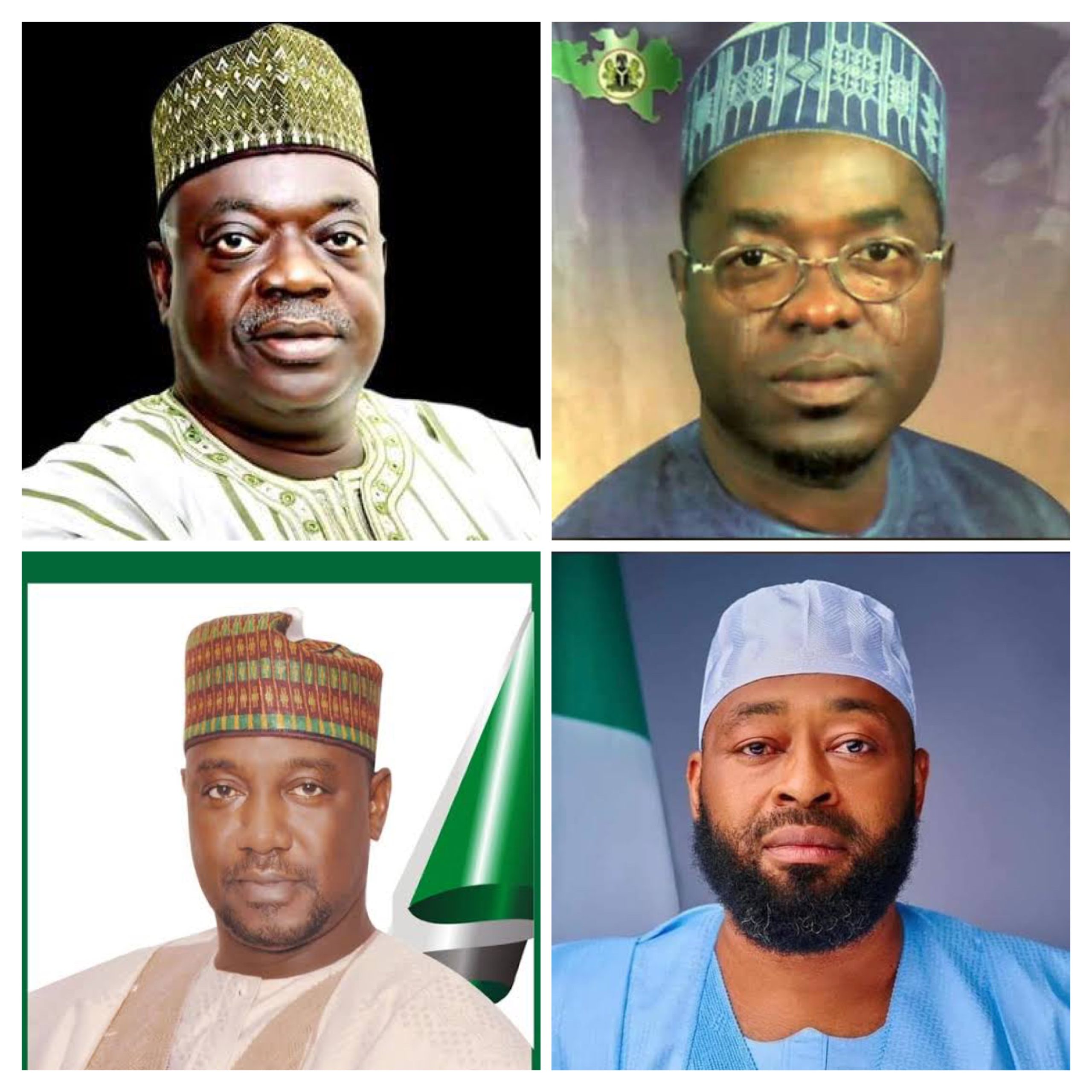
Governor Umar Bago recently marked his second year in office, a critical assessment of his administration’s performance against the backdrop of his predecessors since Nigeria’s return to democracy in 1999 reveals both continuities and shifts in governance priorities and outcomes. Niger State, often referred to as the “Power State” due to its hydroelectric dams, has seen a succession of governors grapple with persistent challenges in infrastructure, education, healthcare, security, agriculture, and economic development. How does this administration compare to previous governors since Nigeria’s return to democracy in 1999?
Infrastructure Development: A Leap Forward?
Infrastructure has consistently been a focal point for all administrations in Niger State. Governor Bago’s administration has prioritized road construction and rehabilitation, particularly in urban centers and agricultural hubs, aiming to improve connectivity and facilitate economic activities. Early reports indicate significant progress on projects like the Minna-Bida road and various intra-city and township roads across the state, a pace faster than his predecessors.
Comapartively, Engineer Abdulkadir Kure (1999-2007) initiated several urban renewal projects and rural road networks, though many faced challenges with completion and maintenance. Dr. Mu’azu Babangida Aliyu (2007-2015), known for his “Transformation Agenda,” also invested heavily in road infrastructure, including the dualization of major roads within Minna and the construction of new bridges. However, the quality and longevity of some of these projects were often debated. Governor Abubakar Sani Bello (2015-2023) continued the focus on infrastructure, particularly in the state capital, but also faced criticism regarding the pace of development in rural areas. Bago’s approach appears to be a more targeted intervention in critical economic corridors.
Education Sector Reforms: More Rhetoric Than Results?
Education remains a cornerstone of human development, and each governor has attempted to leave their mark. Governor Bago’s administration has emphasized basic education, with initiatives aimed at renovating dilapidated school structures, providing instructional materials, and improving teacher welfare. There’s also a stated commitment to technical and vocational education to address youth unemployment.
Under Kure, efforts were made to expand access to primary, secondary and tertiary education, though funding constraints were a recurring issue. Aliyu’s administration introduced free education policies at the primary and secondary levels and established new tertiary institutions. However, the quality of education and teacher training remained a significant challenge. Bello’s tenure saw continued investment in school infrastructure and a focus on improving learning outcomes, but the state still grappled with out-of-school children and teacher shortages. Bago’s administration faces the uphill task of not just increasing access but also significantly improving the quality of education across all levels.
Healthcare Services: Marginal Improvements
Access to quality healthcare is a critical indicator of governance. Governor Bago’s government has reportedly focused on strengthening primary healthcare centers (PHCs) and improving the availability of essential drugs and medical personnel. There are also plans to upgrade general hospitals across the state.
Kure’s administration made efforts to revitalize existing healthcare facilities and implement immunization programs. Aliyu’s government launched the “Contributory Health Scheme” and invested in some general hospitals, but the impact on rural healthcare access was limited. Bello’s administration continued to invest in healthcare infrastructure and personnel, particularly during the COVID-19 pandemic, but challenges in equipment, staffing, and drug availability persisted. Bago’s emphasis on PHCs is a strategic move to bring healthcare closer to the grassroots.
Security Challenges: A Recurring Phenomena
Niger State has been significantly impacted by insecurity, particularly banditry and kidnapping, a challenge that has escalated over the years. Governor Bago’s administration has adopted a multi-pronged approach, including increased collaboration with federal security agencies, support for local vigilante groups, and community engagement initiatives. The state has also seen the establishment of new security outfits and increased funding for security operations.
During Kure’s tenure, security concerns were primarily related to communal clashes and urban crime. Aliyu’s administration faced emerging threats from cattle rustling and early signs of banditry, leading to the establishment of the “Niger State Security Trust Fund.” Bello’s government grappled with a significant surge in banditry, leading to widespread displacement and economic disruption. His administration implemented various security measures, including peace deals that often proved temporary. Bago inherited a deeply entrenched security crisis, and his administration’s success in this area will be crucial for the state’s overall development.
Agricultural Development: A Potential Game Changer?
Agriculture is the mainstay of Niger State’s economy, with vast arable land. Governor Bago’s administration has prioritized agricultural mechanization, provision of improved seedlings and fertilizers, and support for irrigation projects to boost food production and ensure food security. There’s also a focus on attracting agricultural investments and value addition.
Kure’s government supported farmers through various agricultural programs and the provision of inputs. Aliyu’s administration launched the “Niger State Agricultural Revolution Programme” (NSARP) aimed at commercializing agriculture and attracting large-scale investors. However, the impact was not as widespread as anticipated. Bello’s government continued to support farmers, but insecurity significantly hampered agricultural activities in many parts of the state. Bago’s focus on mechanization and irrigation is a step towards modernizing agriculture in the state.
Economic Policies and Development: Debt vs. Development
Economic diversification and job creation have been consistent goals. Governor Bago’s administration has signaled a strong commitment to attracting investments, improving the ease of doing business, and leveraging the state’s natural resources for economic growth. There’s also an emphasis on youth empowerment and skill acquisition programs.
Kure’s economic policies focused on attracting small and medium-sized enterprises and improving internally generated revenue (IGR). Aliyu’s administration pursued a more ambitious economic agenda, including the establishment of the “Niger State Investment Promotion Agency” and efforts to develop the tourism sector. Bello’s government focused on fiscal responsibility and attracting private sector investments, but the economic impact of insecurity was significant.
Bago has attracted investment in renewable energy and agriculture, but Niger’s debt burden has grown. His predecessors also borrowed heavily—Aliyu for urban projects, Bello for security—but Bago’s spending is more visible in infrastructure. Critics argue that without boosting internally generated revenue (IGR), the state risks fiscal crisis. Governor Kure improved IGR slightly in his time, but no past administration has fundamentally transformed Niger’s economy. Similarly, Bago’s administration faces the challenge of stimulating economic growth amidst persistent security concerns and a challenging national economic climate.
In conclusion, Governor Bago’s first two years show boldness in infrastructure and agriculture, outperforming his predecessors in project execution. However, challenges in education, healthcare, and debt management remain unresolved legacies of past administrations. But, With sustained momentum and ensuring that projects are completed, Bago is redefininggovernance in Niger State. The long-term impact of his policies will depend on sustained implementation, effective resource management, and the ability to overcome the multifaceted challenges facing Niger State.
What do you think? Has Governor Bago done better than past leaders? Share your views with us